Active Vs. Synthetic B-Vitamins: Why The Form Matters
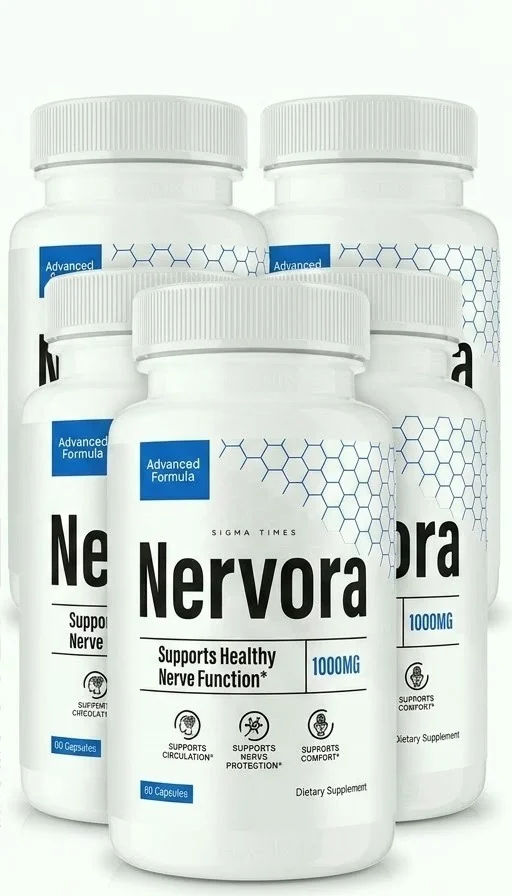
Many basic multivitamins use the cheapest available forms of B-vitamins, while Nervora uses methylated and fat-soluble forms that the body generally finds easier to use directly.
This distinction is a genuine, if easily overlooked, quality signal on a supplement label.
The forms Nervora uses
Nervora's B-vitamin pillar uses benfotiamine (a fat-soluble form of B1), methylcobalamin (an active form of B12), methylfolate (an active form of B9) and pyridoxal-5-phosphate (an active form of B6) — rather than the cheaper synthetic forms like thiamine hydrochloride, cyanocobalamin, folic acid and pyridoxine that appear in many basic multivitamins.
Why the distinction matters
Synthetic B-vitamin forms generally require the body to convert them into an active form before use, a process that varies in efficiency between individuals and can be reduced by certain genetic variations or health conditions. Using pre-converted, active forms removes that conversion step, which is the practical argument for their inclusion.
A reasonable but not universal claim
What this does not change
Using better-absorbed vitamin forms does not turn a general wellness supplement into a treatment for diagnosed nerve damage. It is a formulation quality detail, not a mechanism that overrides the broader honest framing of gradual, general nutritional support.
Applying this to Nervora
The active B-vitamin forms are the first of Nervora's three formula pillars, chosen specifically for their bioavailability advantage over standard synthetic forms.